Jade Tortoise Carving Hongshan Culture, c. 4700–2900 BCE

Jade Tortoise Carving
Hongshan Culture, c. 4700–2900 BCE
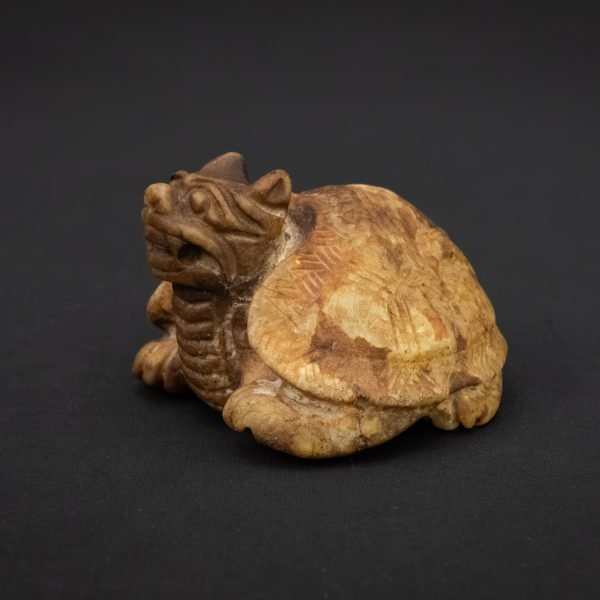
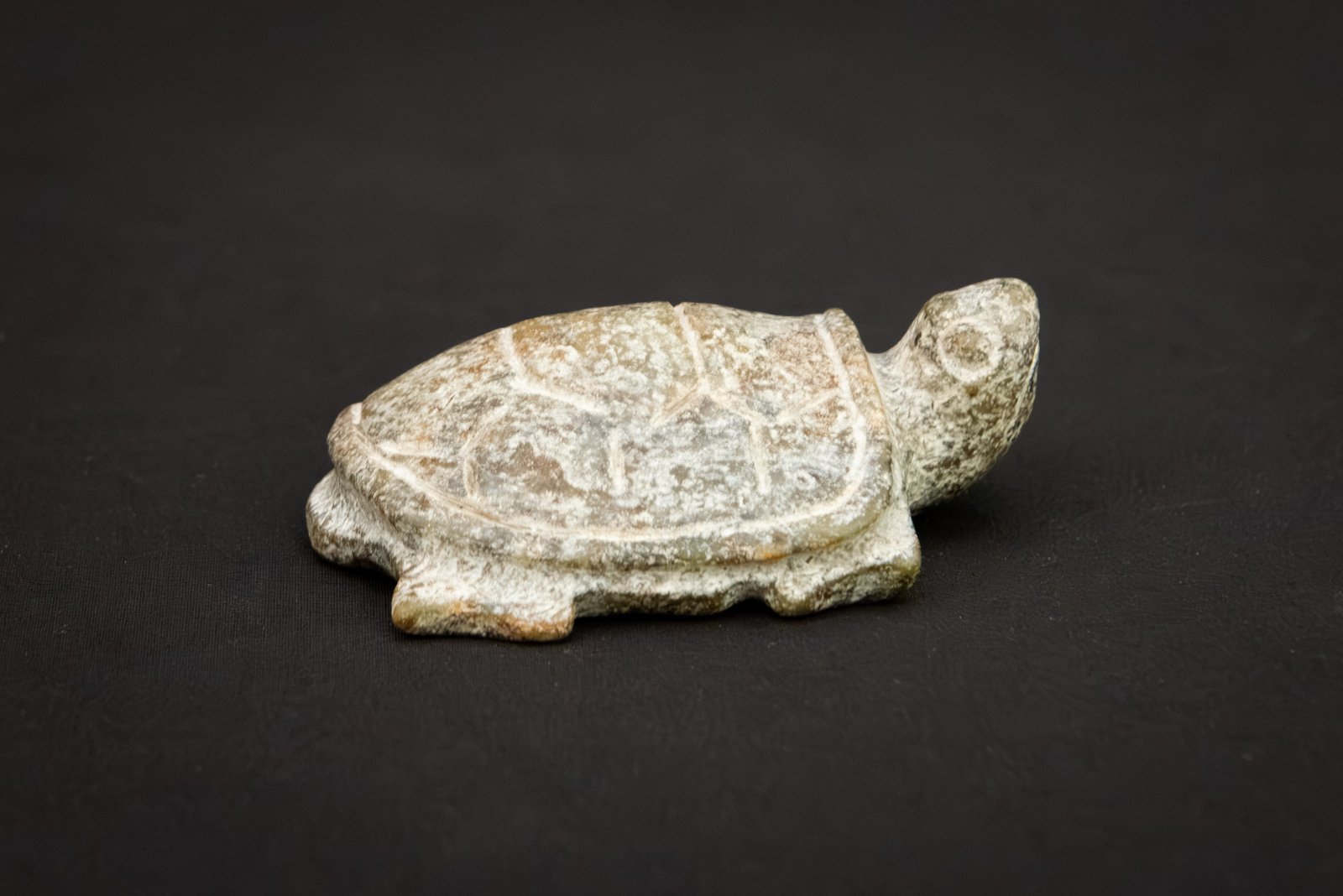
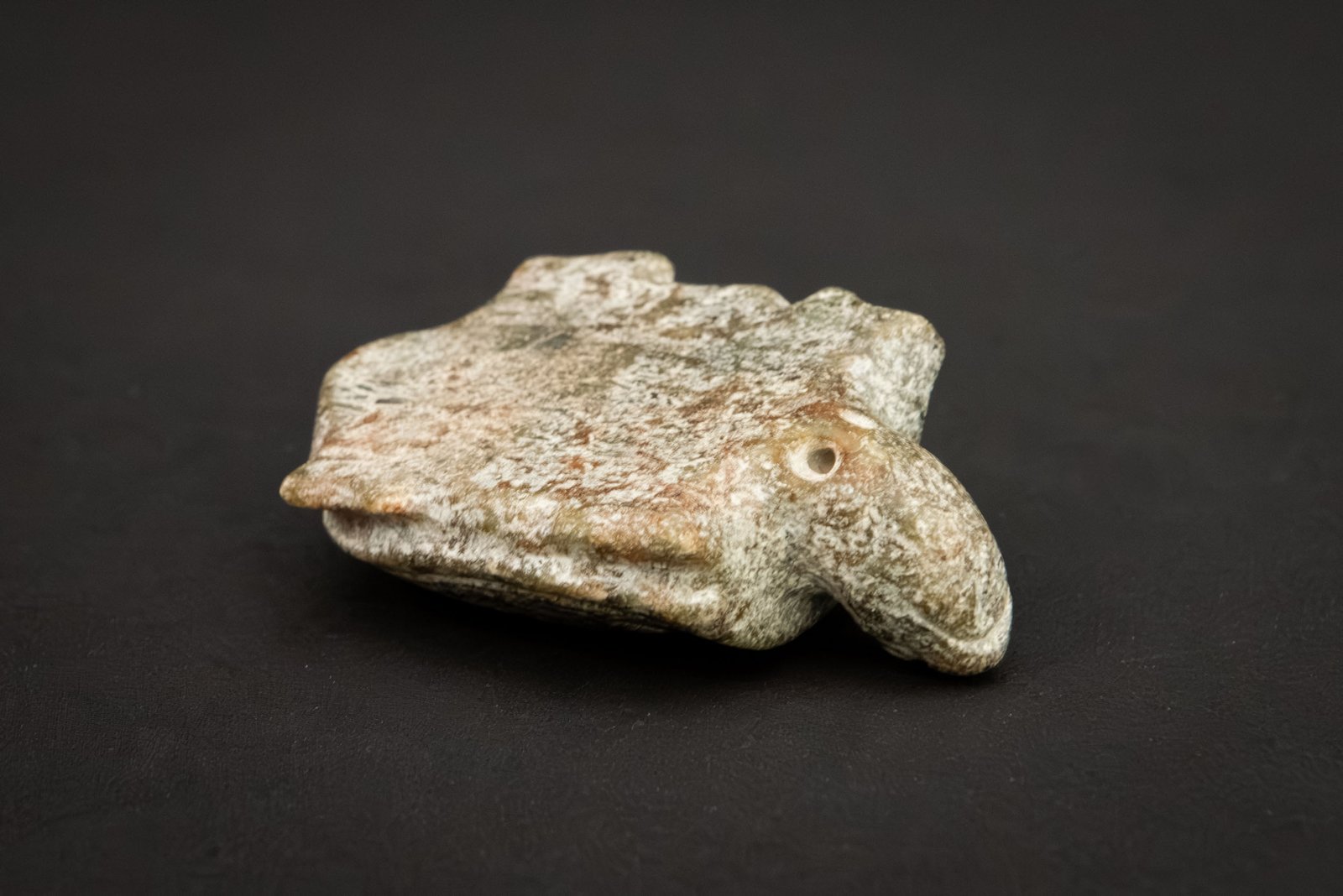
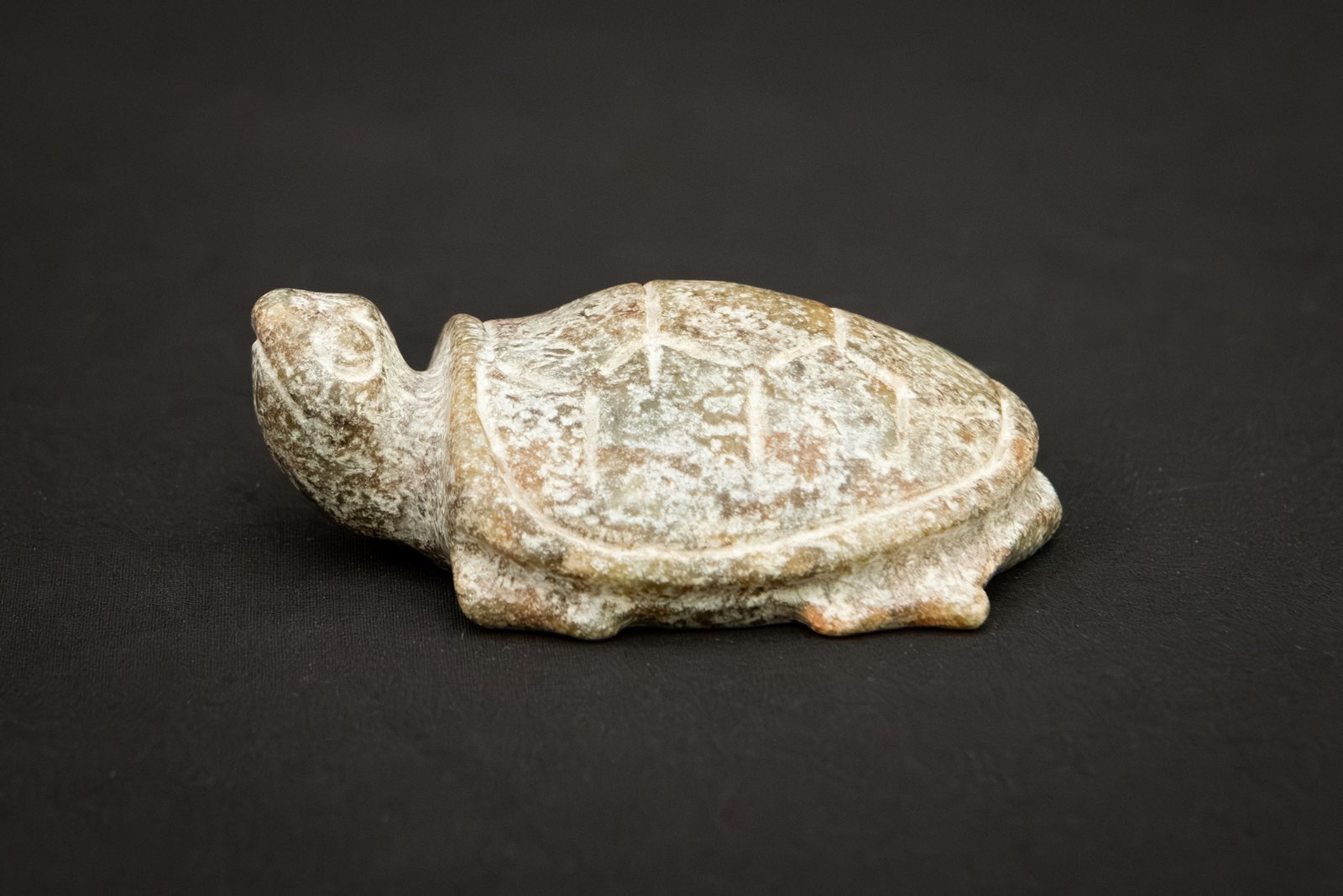
Nephrite jade, with surface weathering and mineral deposits. The tortoise form features an incised shell pattern and upturned head. Symbolic of longevity and cosmic order, such carvings were likely used in ritual or as protective objects.

Q

Enquiry

Jade Tortoise Carving Hongshan Culture, c. 4700–2900 BCE

Jade Tortoise Carving
Hongshan Culture, c. 4700–2900 BCE
Nephrite jade, with surface weathering and mineral deposits. The tortoise form features an incised shell pattern and upturned head. Symbolic of longevity and cosmic order, such carvings were likely used in ritual or as protective objects.

Thank you for your interest. Please fill out the below form, and our specialist will follow up with you shortly.

Q

Share

Product Description

Object: Jade Tortoise Carving
Culture: Hongshan Culture
Period: c. 4700–2900 BCE
Material: Nephrite jade
Dimensions: [Insert measurements]

Description:
A finely carved jade tortoise with a slightly elongated body and upturned head. The shell is decorated with incised geometric lines forming a simple carapace pattern. The stone exhibits a mottled surface with areas of calcification and weathering, consistent with long burial.

Significance:
In Hongshan culture, animal forms were imbued with ritual meaning. The tortoise, symbolizing longevity, cosmic balance, and ancestral protection, likely served as a ceremonial object. Such carvings may have been used in ritual practices or as talismanic items within elite burials.